


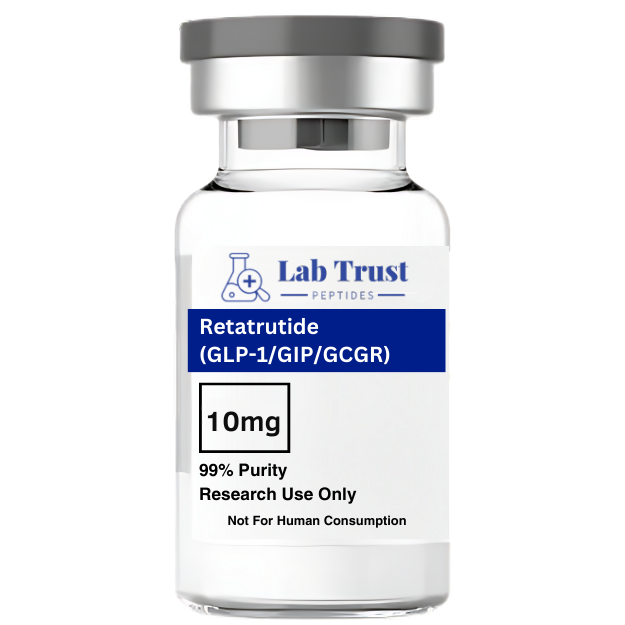
In the ever-evolving field of metabolic and endocrine research, scientists are constantly seeking compounds that can provide deeper insights into hormonal interactions and energy regulation. One such compound making waves in laboratory studies is Retatrutide research peptide. Known for its multi-receptor activity, this synthetic peptide offers researchers a unique tool to study complex metabolic pathways in controlled settings. Unlike traditional single-target peptides, Retatrutide engages multiple hormonal receptors, opening up possibilities for novel research models.
Whether you are exploring metabolic regulation, glucose and lipid pathways, or integrated endocrine signaling, understanding Retatrutide’s properties and potential applications is essential for modern laboratory research.
Understanding Retatrutide Research Peptide
Triple-Agonist Activity: GLP-1, GIP, and Glucagon
One of the most remarkable features of retatrutide research peptide is its triple-agonist activity. This means it can simultaneously interact with GLP-1, GIP, and glucagon receptors, which are key players in energy balance and metabolic regulation.
- Why this matters: Traditional peptides often target a single receptor, limiting their utility for studying complex physiological processes. By engaging multiple pathways, Retatrutide allows researchers to observe integrated hormonal responses, offering a more holistic understanding of metabolic signaling.
Laboratories utilizing Retatrutide can explore areas such as:
- Cross-talk between hormonal pathways
- Glucose regulation and insulin dynamics
- Energy expenditure and lipid metabolism
Its multifunctional approach makes it particularly useful for research on obesity, diabetes, and other metabolic disorders in preclinical settings.
Safe Handling and Laboratory Standards
While Retatrutide provides advanced research potential, proper handling is crucial to maintain peptide integrity and experimental accuracy. Supplied as a lyophilized powder in sterile vials, it should be reconstituted with bacteriostatic water following standard laboratory protocols.
Storing the peptide at recommended temperatures (-20°C for powder, 2–8°C for reconstituted solutions) helps preserve its potency. Researchers are advised to avoid repeated freeze-thaw cycles and exposure to moisture or light.
Ensuring adherence to these storage and handling guidelines guarantees that your experiments remain reproducible, and that analytical data is reliable.
Applications and Research Potential
Retatrutide is gaining recognition among scientists for its diverse experimental applications. By simultaneously activating multiple receptor pathways, it allows researchers to investigate:
- Metabolic regulation models – Understanding how hormones coordinate energy balance
- Endocrine signaling interactions – Examining receptor-mediated hormonal crosstalk
- Glucose and lipid metabolism – Evaluating responses across integrated pathways
Even though Retatrutide is strictly for research purposes and not intended for human consumption, its role in laboratory studies is invaluable. Researchers can design experiments that closely mimic natural physiological processes, providing insights that simpler, single-target compounds cannot achieve.
- Pro tip: Pairing Retatrutide with advanced analytical methods like LCMS screening, sterility testing, and endotoxin analysis ensures that your results are both accurate and reproducible.
Conclusion:
Retatrutide research peptide represents a significant step forward in peptide-based laboratory studies. Its unique triple-agonist activity allows scientists to study complex metabolic interactions with precision, paving the way for more integrated experimental models.
By following proper handling protocols and leveraging its multi-receptor capabilities, researchers can unlock new perspectives on hormonal regulation, energy balance, and metabolic disorders. While its use is restricted to research, the insights gained from Retatrutide experiments could shape future therapeutic strategies and expand our understanding of endocrine biology.